New at Safr Care
Need Help Getting to the Doctor? Here’s What to Do
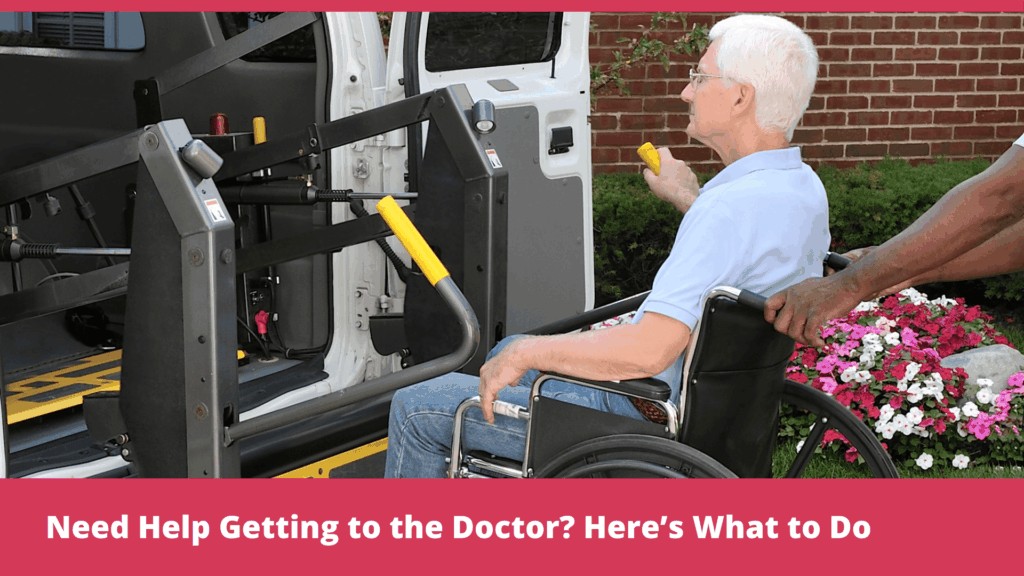
Need Help Getting to the Doctor? Here’s What to Do
Quick Summary
Accessing reliable transportation to medical appointments is essential for maintaining health, especially for seniors, patients with limited mobility, chronic conditions, or complex care needs. When you’re having trouble getting to the doctor, the solution isn’t just calling a cab or ride-share — it’s understanding the full range of healthcare-focused options available, including Non-Emergency Medical Transportation (NEMT), insurance-covered rides, community resources, and smart planning strategies. This guide breaks down what to do, when to act, and how to find dependable support for medical travel.
Why Transportation Matters for Your Health
Missed medical appointments due to transportation barriers can lead to delayed diagnoses, interrupted treatment plans, and worsening health outcomes. For people with chronic illnesses like diabetes, heart disease, or kidney failure, consistent appointments are critical. Even routine visits — checkups, screenings, follow-ups — contribute to long-term health and peace of mind. If transportation is a challenge, addressing it becomes part of your healthcare plan.
Step 1: Ask Your Healthcare Provider for Help
The first step is simply to ask. Clinics, hospitals, and doctor’s offices can often help you identify transportation options you may not know about. Many health systems work with patient navigators or care coordinators who specialize in resolving access issues. Ask about:
- Available transportation vouchers or subsidies
- Partnerships with NEMT services
- Clinic-arranged rides for chronic treatment appointments
- Community health worker support for transportation
Step 2: Check Medicaid, Medicare, or Insurance Coverage
Many public and private health plans include covered transportation benefits for medically necessary visits. If you’re eligible for Medicaid, non-emergency medical transportation (NEMT) is often a covered benefit, especially for ongoing care (e.g., dialysis, therapy). Medicare Advantage plans sometimes include transportation perks, even if Original Medicare does not. Check your plan documents or call customer service to ask:
- Does my plan cover rides to the doctor?
- Are specific trips eligible (e.g., urgent care, specialist visits)?
- Do I need prior authorization?
- Are certain providers or platforms required?
Step 3: Explore Non-Emergency Medical Transportation (NEMT)
NEMT services are designed specifically for people who need help getting to medical appointments but don’t require an ambulance. These services are ideal for seniors, patients with mobility limitations, and anyone whose health condition affects traveling independently. NEMT providers typically offer:
- Door-to-door assistance
- Wheelchair-accessible vehicles
- Drivers trained in patient support
- Flexible scheduling for recurring treatments
- Coordination with clinical appointments
Step 4: Use AI-Driven Platforms for Smarter Scheduling
The latest generation of transportation platforms — such as Safr Care — integrates artificial intelligence to match riders with the right driver and vehicle for their medical needs. These systems can automatically:
- Assign the best driver based on location and ride requirements
- Monitor traffic for on-time service
- Reassign rides instantly if issues arise
- Track pickups and drop-offs in real time
Step 5: Call Community and Nonprofit Transportation Services
In many areas, community organizations offer free or low-cost rides for seniors and patients with limited resources. These can include:
- Volunteer driver programs
- Church or faith-based transportation ministries
- Senior center ride services
- Area Agency on Aging transportation support
Step 6: Ask Family, Friends, or Caregivers
When formal services aren’t available, don’t hesitate to ask trusted caregivers for help. Siblings, adult children, neighbors, and caregivers often prefer helping with transportation than seeing you miss important care. To make these rides easier:
- Share your appointment details in advance
- Provide written directions or clinic contacts
- Prepare a checklist for what to bring
Step 7: Plan Around Your Mobility and Health Needs
Think about your physical and cognitive needs when arranging transportation. If you use a wheelchair, walker, or cane, make sure you request a vehicle with accessibility support. If certain appointments leave you fatigued or unsteady, consider requesting a driver who offers door-through-door assistance — walking with you into the clinic entrance. Planning ahead ensures you arrive safe, supported, and ready for care.
Tips for Making Medical Travel Easier
- Confirm your ride 24 hours before the appointment.
- Have a backup ride plan in case of cancellations.
- Keep a list of transportation contacts on your phone.
- Ask the clinic if they can schedule transportation for you.
- Request reminders from your ride provider.
Special Considerations for Seniors and Chronic Conditions
For seniors and patients with chronic illnesses — such as diabetes, heart disease, COPD, or arthritis — reliable transportation is even more critical. These patients often depend on regular monitoring and follow-up care to avoid complications. Missing a single appointment for recurring treatments, such as dialysis or therapy, can have serious clinical consequences. That’s why transportation should be built into a patient’s care plan, not treated as an afterthought.
When to Consider Professional Medical Transport
If you require regular medical assistance — such as wheelchair support, oxygen, or caregiver accompaniment — professional NEMT services are the safest choice. Drivers trained in patient support can:
- Help you enter and exit the vehicle safely
- Secure mobility aids properly
- Provide stable support during transitions
- Recognize changes in patient condition
What to Do If Your Ride Is Cancelled
Even with planning, rides can be cancelled unexpectedly. If this happens:
- Contact the provider immediately to reschedule or reassign
- Call your clinic to explain the situation
- Request a list of alternate services
- Check for ride credits or emergency transport options
Transportation Options by State
Resources vary by region, but many states offer specialized transportation support:
- Arizona: Community health worker programs and regional NEMT services in rural areas help patients reach specialized care.
- Florida: High elderly populations mean expanded Medicaid transportation networks and volunteer driver programs.
- Maryland: Dense urban systems partner with AI-driven platforms and clinic-based scheduling support.
- Texas: Integrated Medicaid and private plan transportation options support chronic care populations.
Conclusion: Help Is Available — and You Don’t Have to Struggle Alone
If you’re asking, “I need help getting to the doctor,” you are not alone. Transportation barriers are common, but there are solutions. Start by talking with your provider, checking your benefits, exploring NEMT options, and planning ahead for your specific health needs. Whether you need occasional rides or ongoing support, the right transportation system can make healthcare more accessible, predictable, and stress-free.
SEO Tags: medical transportation help, how to get to doctor appointments, NEMT services, senior medical transportation, Medicaid transportation coverage, AI-powered medical rides, real-time ride scheduling, chronic care appointment transport, non-emergency medical transport USA, safe patient transportation options, healthcare transportation resources, doctor appointment rides, transportation for disabled patients